Hazard Event Response
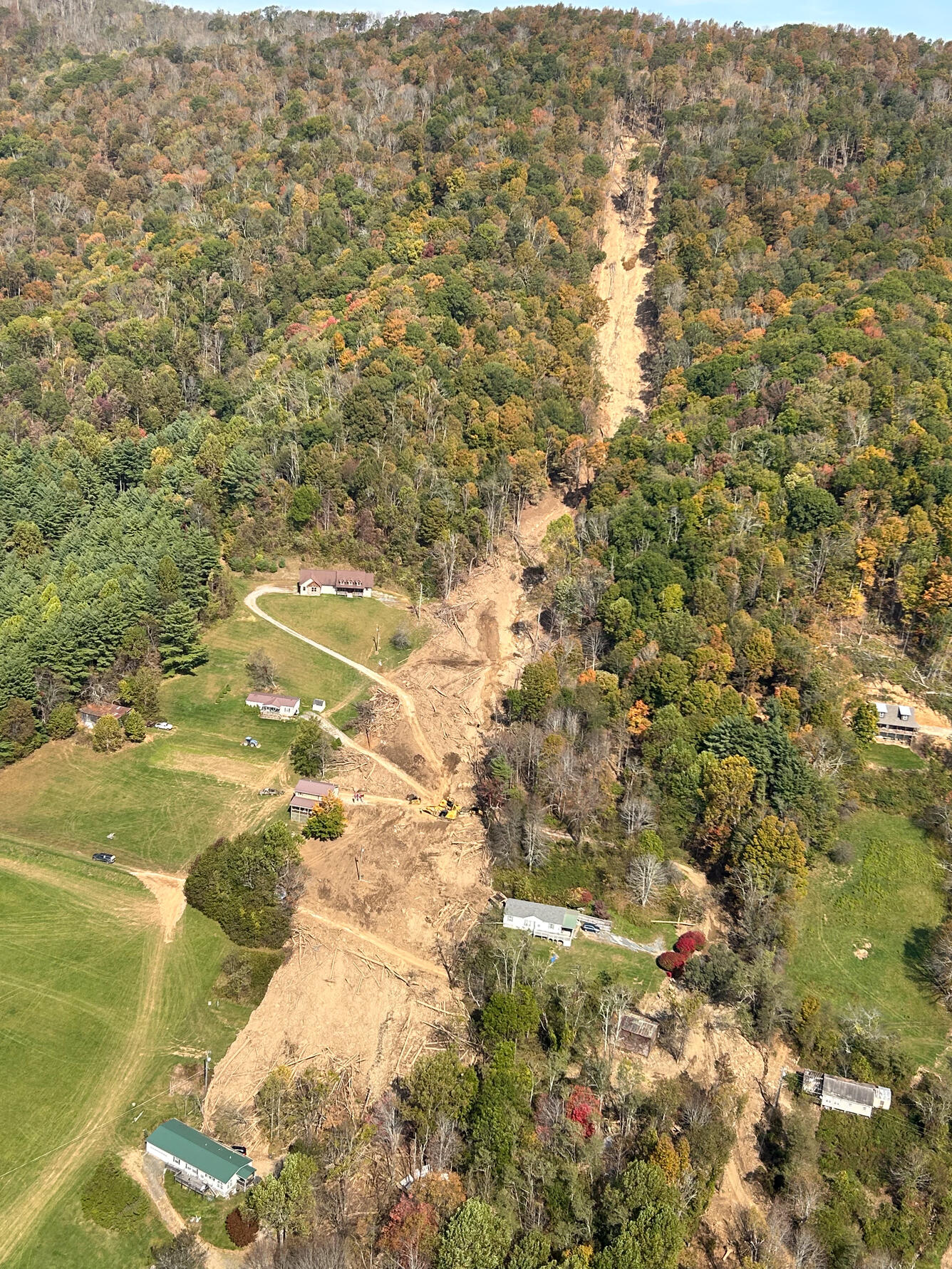
A key part of the CLaSH observational network includes mobilization of rapid-response teams based on community input to collect perishable field, geophysical, and remote-sensing data following major hazard events. These efforts capture transient process signals and feed directly into model refinement and long-term monitoring frameworks.
The limited number of extreme events that we can observe directly, and the non-stationary imparted by climate change, require research structures that go beyond understanding individual events in isolation and instead use them to advance physical understanding of key land surface processes within mechanistic frameworks of the hazard cascade. Our rapid event response teams provide resources to study specific hazard events and their aftermath, in alignment with Center research objectives and following a novel paradigm that emphasizes the integration of data collection and modeling during scientific event response. Perishable data collected following new events offer vital insights into the emergence of hazard cascades, and in many cases, event-based data can uniquely relate landscape response to triggering magnitude. Quantifying the long-term impact – both from new events and legacy (pre-2024) events that continue to impact landscapes today – is critical for determining the cascade timescale. Information from the “long tail” of cascades can also inform understanding of interactions between event triggers and evolution of critical zone (CZ) architecture as it relates to subsurface material properties.