Hazard Observatories
CLaSH operates observatories in Alaska, Appalachia, Puerto Rico, and Southern California to couple new observations with process-based and AI/ML models. CLaSH will bridge the data-model divide by integrating data and models in these geologically and climatically diverse landscapes, which capture the key drivers and process interactions that lead to the emergence of cascading hazards. Our sites serve as natural laboratories for understanding how triggering, runout, and fluvial responses interact across diverse climatic and geologic settings.
Our criteria for observatory site selection included: (1) availability of existing robust datasets, (2) potential for developing “modular” frameworks using elements of the hazard cascade that can be linked together, that are informative of other regions, and that can be extrapolated using Al/ML techniques, and (3) potential to translate science advances to societally-relevant outcomes through collaboration with local CLaSH partners (the California Geological Survey (CGS), the Kentucky Geological Survey (KGS), University of Puerto Rico – Rio Piedras/Mayaguez and tribal communities in Alaska). Rural southern California (SC), Kentucky (KY), Puerto Rico (PR) and Alaska (AK) are all underserved and under-resourced in terms of disaster preparedness and response, and scientific advances are needed to improve resilience across these areas.

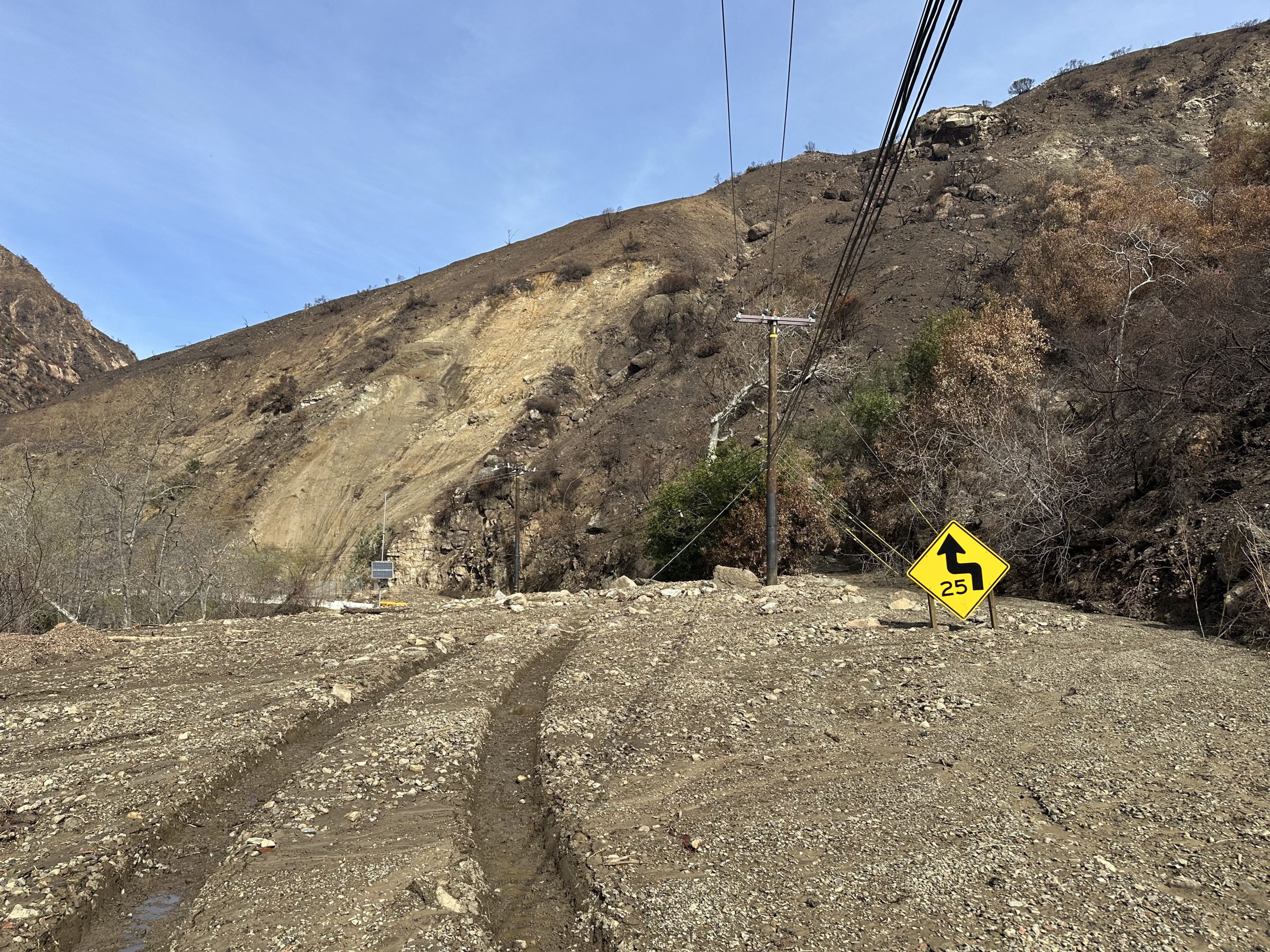
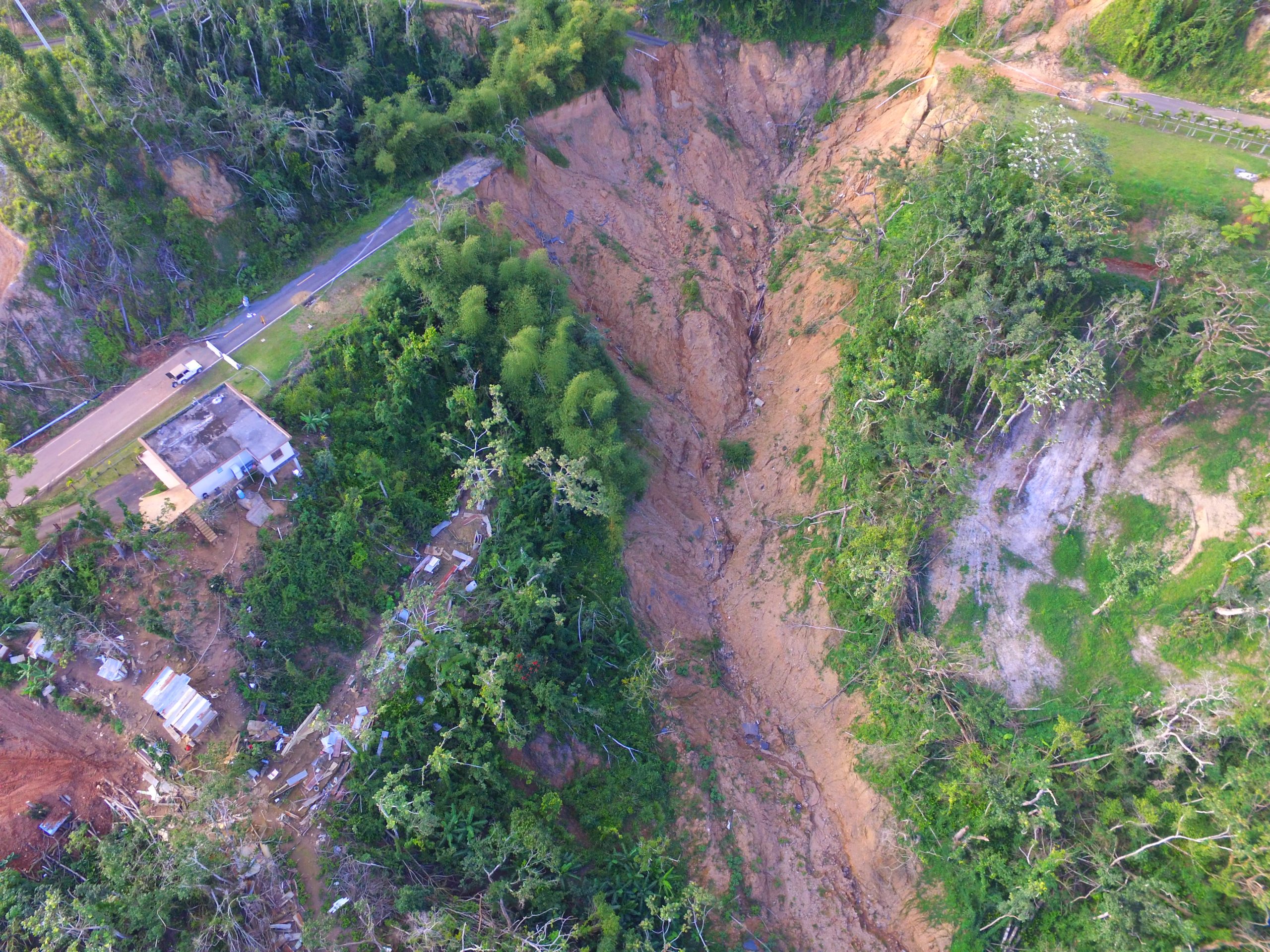

In PR and SC, we will focus on how the structure and evolution of the critical zone and topography in different climates influence landslide occurrence, size, timing, and the characteristics of mobilized hillslope materials. Primary observations will include (1) grain size in the critical zone, and structure, depth, hydrologic, and strength properties of regolith, (2) landslide/debris flow inventories (historical and event-triggered), which will be compiled from prior studies and generated new as appropriate, (3) topographic metrics of hillslopes and low-order channels, and (4) particularly in PR, ecological characteristics as potential controls and feedbacks on CZ structure and slope stability.
In KY, we will focus on how runout magnitude and grain size influence fluvial systems and flooding. Primary observational work for this objective is to constrain the topographic signature of runout-fluvial systems over different timescales. This will be achieved by observing how grain size controls the sediment response of the 2022 event (Crawford et al., 2023; Dortch et al., 2023) as well as the long-term morphological structure of debris fans (i.e. measure fan size and grain size).
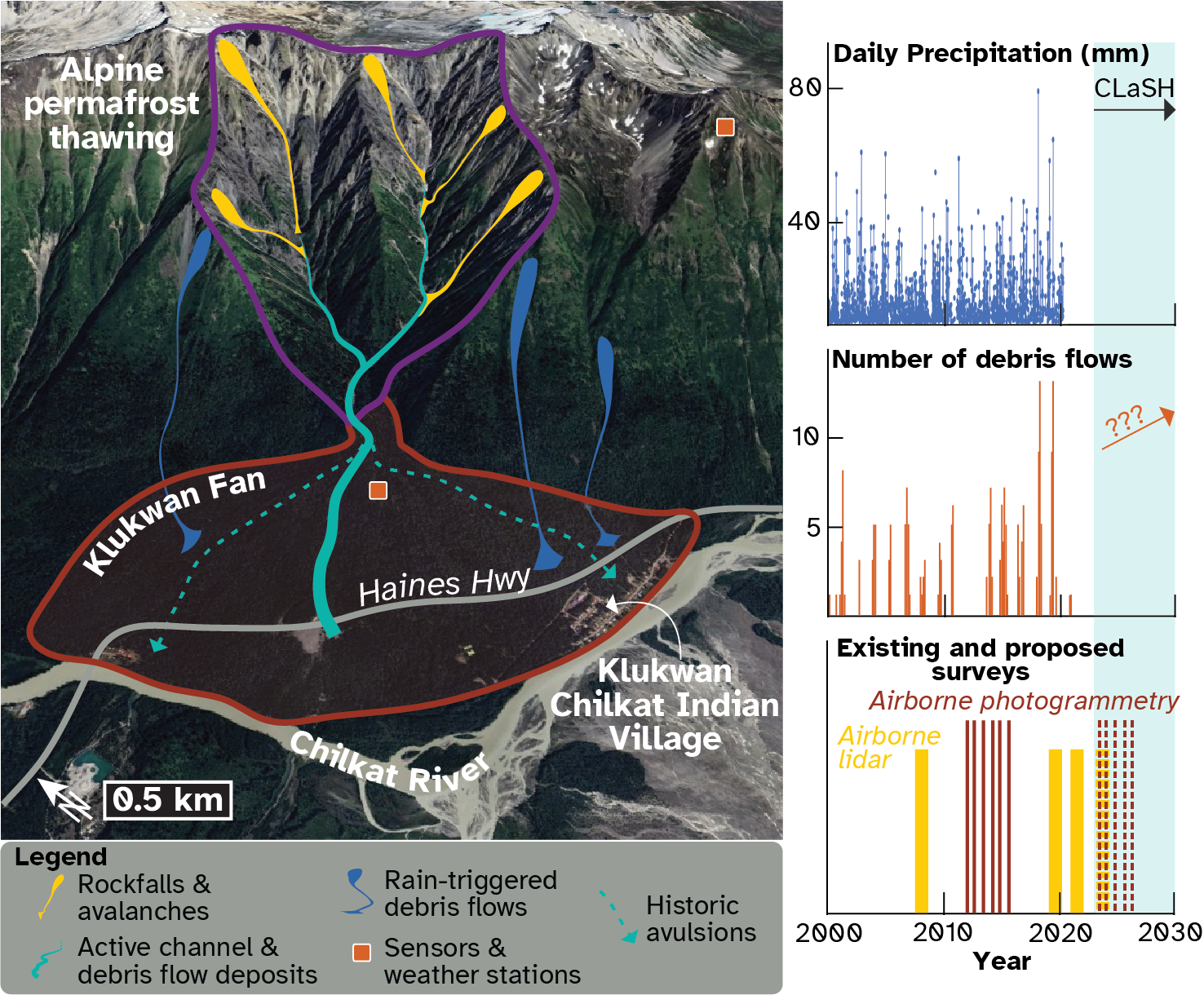
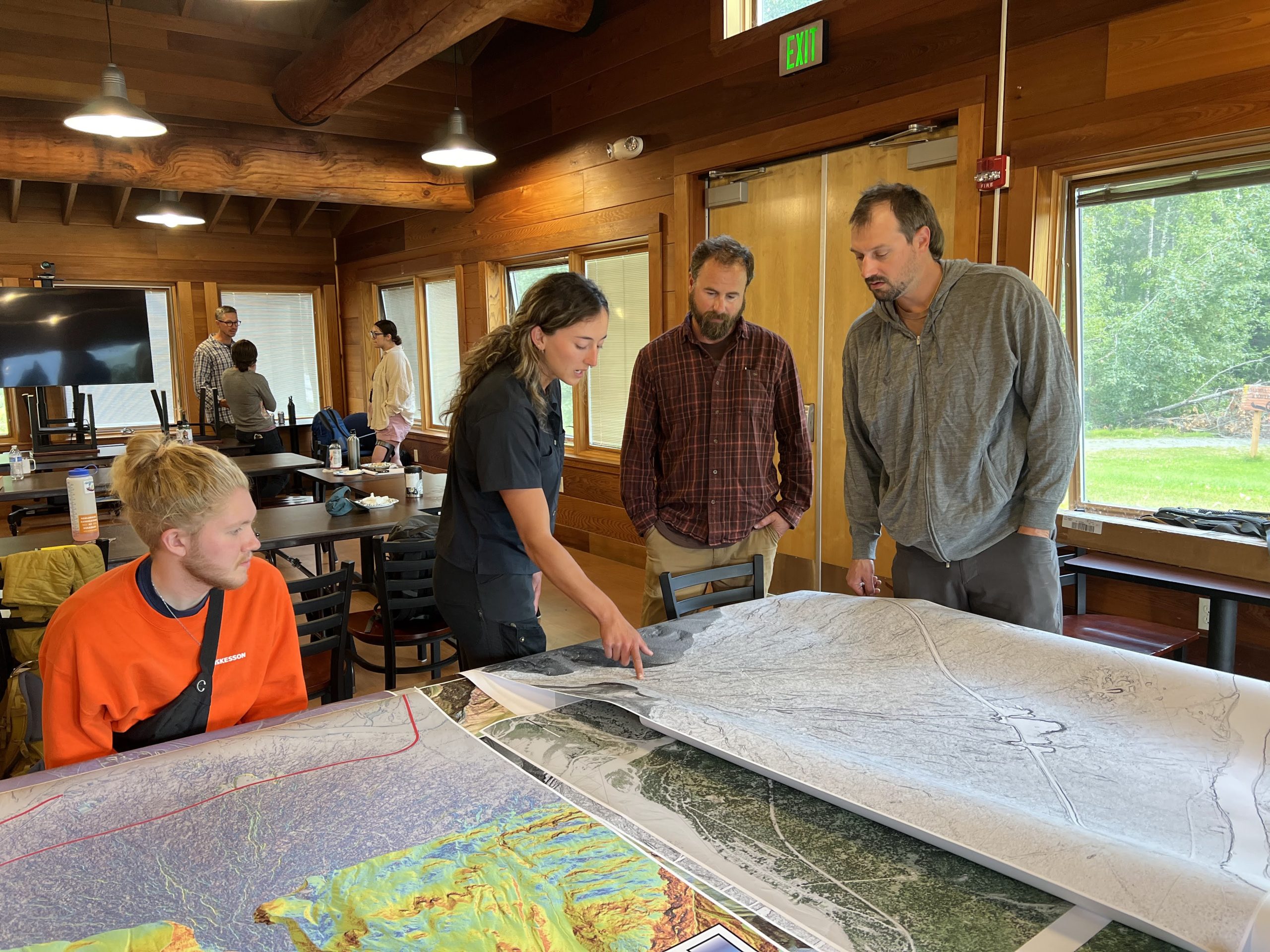
In AK, we will focus on the establishment of a natural observatory co-developed with an Alaska Native science campaign to advance understanding of fundamental processes that control debris flow initiation and entrainment. In this region, climate change is rapidly transforming the landscape in ways that threaten nearby communities, such as the locality just north of Haines, where a 10-km long segment of the Haines Highway near the village of Klukwan (Chilkat Indian Village–CIV) traverses two large debris fans generated by the accumulation of debris flows and landslides from the adjacent steep, mountainous catchments. Changes in the frequency and intensity of atmospheric rivers have likely increased the probability of triggering rockfalls, bedrock landslides, and debris flows making this site locality prime for the study of debris flow mechanics due to the frequency of events and the potential for real-time process monitoring.


Several sets of observations and related questions will be common across all four observatories, particularly how landslide size, critical zone and material properties, grain size distribution, and topography interact with climate and influence mass movement runout. Primary observations for this question include collating maps of known landslide size and runout length and volumes, as well as grain size measurements in mass-wasting sources and deposits – together with analysis of precipitation histories and downscaling of future projections.